PERIOD. Learning Lab · Free WORKSHOP TOOLKIT
Racial disparities in menstrual health●
Learn why students of color face bigger barriers to menstrual health, and the simple, practical steps you can take to close the gap at home, at school and in your community.
Sign Up - it’s free
PERIODS ARE UNIVERSAL,
BUT ACCESS TO SUPPORT IS NOT●
Every month, Black, Latinx and Indigenous students face more stigma, less access and less care, not because of biology or choices, but because of the systems around them.
This can lead to shame and silence.
83% of Black teens hide their period products on the way to the bathroom.
It can lead to sitting on the sidelines.
43% of Black teens struggle to ask for period accommodations in sports.
It can lead to pain that gets ignored.
Symptoms can be dismissed, misdiagnosed and treated later than for white patients.
Established systems, access to education and care, bias, and underinvestment create different outcomes for people of color.
When you understand the systems that keep periods in the way of opportunity, you can start changing them in your school, your community, and your state.
Introducing
Racial Disparities In Menstrual Health●
This course explains what menstrual equity really means and where the gaps come from, then gives you 10 concrete actions to close them.
This Workshop Toolkit is a downloadable resource.
DOWNLOAD NOWYou will learn
- The 5 drivers of inequity
- Why 42% of teens feel unprepared for their first period, and how to fix it
- A respectful environment: swapping stigmatizing phrases for supportive ones
- Freedom to participate: accommodations for class, sports and extracurriculars
- Diagnosis, care and treatment: medical racism, dismissed pain and how to advocate for better care
About PERIOD.
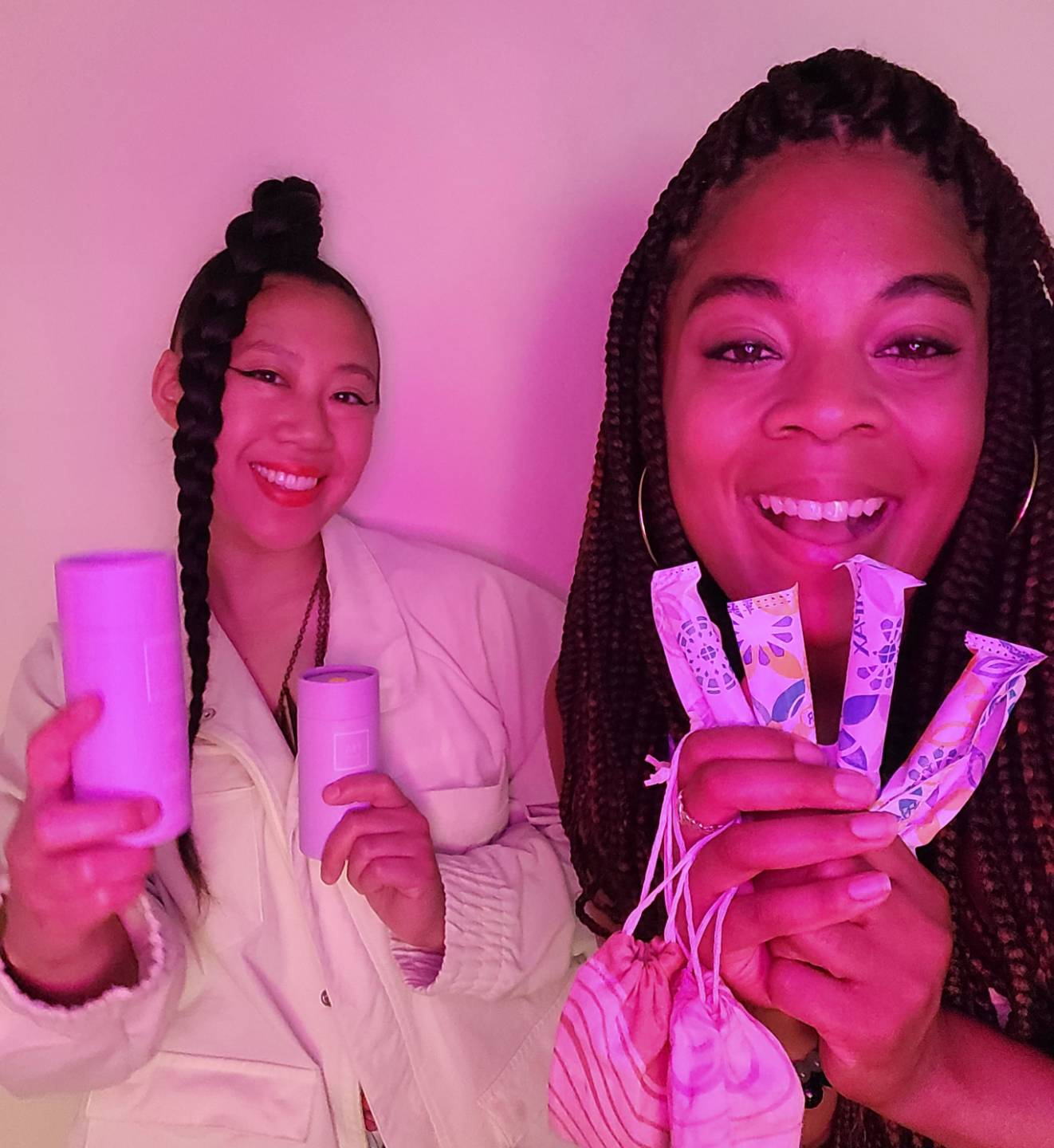
PERIOD. is building a future where having a period never gets in the way of going to school, playing a sport, showing up to work, or participating fully in life●
We provide free, open-source education, resources, and research that breaks stigma and equips schools, communities, and advocates to support menstrual equity for all.
What's Inside Racial disparities in menstrual health?
This Workshop Toolkit helps you understand what racial disparities in menstrual health are, why they matter, and what we can do about it.
1
Menstrual health, equity, and the 5 drivers of inequity
Understand education gaps and stigma, access to products and facilities, provider bias and delayed diagnoses, poverty and policies, and gaps in research and healthcare representation
2
Access to information and solutions for educators
When people understand their menstrual cycle, they can make informed choices about their health, advocate for themselves, and break cycles of stigma.
3
Materials, facilities, and services
Access to menstrual health materials, facilities, and services means having everything needed to manage menstruation safely, comfortably, and with dignity — from affordable products and private restrooms to accurate education and supportive healthcare.
4
A respectful environment and freedom to participatE
A positive and respectful environment means classrooms, homes, clinics, and workplaces where periods are treated as natural — not dirty, disruptive, or taboo — and where menstruation can be discussed without shame, judgment, or fear.
5
Diagnosis, care, treatment and referral
Black, Latinx, and Indigenous people are more likely to have their menstrual pain dismissed, their symptoms misdiagnosed, and their conditions treated later or less aggressively than white patients.
Also on the learning lab
-
Workshop Toolkit: Planet Positive Periods
-
Workshop Toolkit: Periods in Prison
-
Course: Athletes + Periods
- Resources available in English, Spanish, Haitian Creole, Japanese, Mandarin and Hindi
Questions
Frequently Asked Questions
Who is this course for?
This course is designed for anyone who wants a clear, foundational understanding of racial disparities in menstrual health. It may be especially helpful for young people, parents and caregivers, educators, youth-serving professionals, and community organizers.
Do I need any prior knowledge before taking the course?
No, but taking our first course, Intro to Menstruation, gives a foundation on menstruation simple, accessible language. No previous menstrual health education or experience is required.
How long will I have access to the course?
Participants can complete the course at their own pace and return to the lessons and resources during the designated course access period. You will have forever access to the course!
Will I receive a certificate?
Not for this Workshop Toolkit. It's designed to be a downloadable resource.
Curriculum on Menstrual Equity For Anyone Ready to Act On It●
The PERIOD. Learning Lab is free, self-paced, and open to anyone.
YES! SIGN ME UP